
Food, Grocery & Restaurant Tax in California 2026
Learn when groceries, restaurant meals, takeout, delivery, hot prepared food, cold food, coffee, soda, and prepared foods are taxable in California.
Food, grocery, and restaurant tax in California can be confusing because not every food purchase is treated the same way. Most grocery food products for human consumption are generally not taxable, but restaurant meals, hot prepared food, dine-in food, carbonated beverages, alcoholic beverages, and some prepared-food sales are generally taxable.
The final sales tax amount can also depend on the city, county, district, ZIP code, and exact address. Our guide to state, local, and district tax in California explains why combined rates change by location. For quick estimates, use our California Sales Tax Calculator to check the tax amount, local rate, and final total.
Important: This guide is for general informational and estimation purposes only. It is not tax, legal, or financial advice. Food taxability and local rates can depend on the item, seller, location, and current rules. For official guidance, check CDTFA resources such as the CDTFA grocery store guidance, CDTFA restaurant guidance, and CDTFA Regulation 1603.
Quick Answer: Is Food Taxed in California?
Most basic groceries are generally nontaxable in California. Restaurant meals, hot prepared food, food eaten on premises, carbonated beverages, alcoholic beverages, and some prepared-food sales are generally taxable. If you need the exact tax amount, check the item type and the local sales tax rate for the address.
A simple way to think about it is this: grocery food meant for home consumption is often not taxed, while prepared food served hot, eaten at the seller’s location, or sold as a restaurant meal is usually taxable. The details matter, especially with takeout, delivery, deli food, coffee, bakery items, and combo meals.
How Much Is Food Tax in California?
California does not have one special statewide “food tax rate” that applies to every food purchase. Qualifying grocery food is generally nontaxable, so the sales tax on those qualifying items is effectively $0. When a food sale is taxable—such as many restaurant meals, hot prepared foods, soda, or alcoholic beverages—the applicable combined California sales tax rate for that location is used.
That is why two food purchases in the same city can have different tax treatment: a bag of qualifying groceries may be nontaxable, while a taxable restaurant meal is subject to the local combined rate. For the current rate structure, see our California Sales Tax Rate 2026 guide.
Need the tax amount for a meal or food purchase?
Enter the taxable amount and location in our calculator to estimate California sales tax and final total.
Use the California Sales Tax CalculatorCalifornia Food Tax: What’s Taxable and What’s Not?
This table gives a practical starting point. It is not a substitute for official tax advice, but it helps you quickly understand common California food tax situations.
| Food or Drink Type | Usually Taxable? | Example | Simple Rule |
|---|---|---|---|
| Regular groceries | Usually No | Bread, fruit, vegetables, milk | Most basic grocery food products are generally nontaxable. |
| Restaurant meal | Usually Yes | Dine-in burger meal | Restaurant meals are generally taxable. |
| Fast-food meal | Usually Yes | Burger, fries, hot chicken, hot combo meal | Hot prepared food and many restaurant or fast-food sales are generally taxable; cold to-go items can have exceptions. |
| Hot prepared food | Usually Yes | Hot sandwich, hot soup, hot deli food | Hot prepared food is generally taxable. |
| Cold food to-go | Depends | Cold sandwich or salad | Can depend on seller, packaging, and whether eaten on premises. |
| Food eaten on premises | Usually Yes | Grocery store seating area or restaurant table | Food consumed at the seller’s location is generally taxable. |
| Hot bakery goods to-go | Often No if sold separately | Hot croissant to-go | May be nontaxable if sold separately to-go. |
| Coffee | Depends | Hot coffee to-go | Hot coffee sold separately to-go is generally nontaxable, but it can be taxable when consumed on premises or sold as part of a taxable meal or combination. |
| Carbonated beverages | Usually Yes | Soda | Carbonated drinks are generally taxable. |
| Alcoholic beverages | Usually Yes | Beer, wine, cocktails | Alcoholic drinks are generally taxable. |
| Combination meal with hot food | Usually Yes | Hot coffee + hot sandwich combo | Combo meals involving hot food are generally taxable. |
| Delivery food | Depends | Restaurant delivery or grocery delivery | Depends on food type, seller, fees, and delivery address. |
Coffee, Fast Food & Bottled Water Tax in California
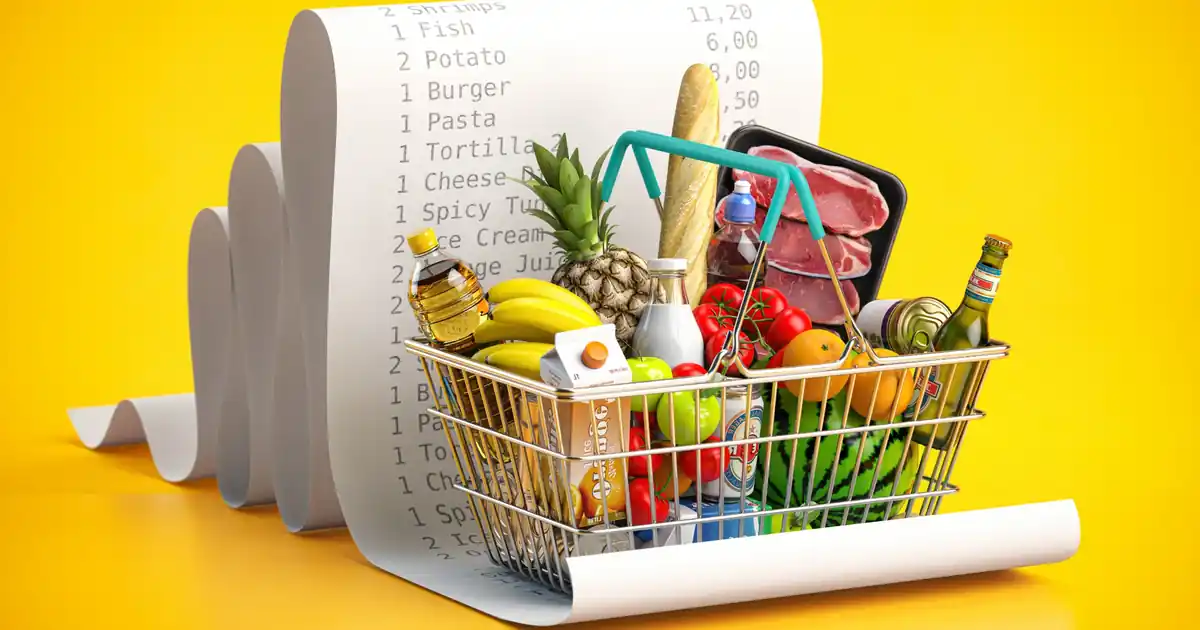
Some of the most common California food-tax questions involve everyday purchases that do not fit neatly into “groceries” or “restaurant meals.” The short answers below give a practical starting point, but the seller, whether the item is consumed on premises, and whether it is sold as part of a combination can change the result.
Is Coffee Taxable in California?
Hot coffee sold separately to-go is generally nontaxable. Coffee can become taxable when it is consumed on the seller’s premises or sold as part of a taxable meal or combination. CDTFA’s restaurant guidance specifically addresses hot beverages such as coffee and tea.
Is Fast Food Taxed in California?
Most hot fast-food meals are generally taxable. Hot prepared food is generally taxable whether sold to-go or for on-premises consumption. Cold food sold to-go can have different treatment, and restaurant or fast-food establishments may also be affected by California’s food-sales rules. For a meal estimate, use the California Restaurant Tax Calculator.
Is Bottled Water Taxable in California?
Plain, noncarbonated bottled water sold for human consumption is generally treated as a nontaxable food product. Carbonated or sparkling water can be taxable, and unusual products or sales situations can have different treatment. See CDTFA’s grocery-store guidance for official food-product rules.
What Is the California Food Tax Rate?
There is no separate universal California food-tax percentage. Qualifying groceries are generally nontaxable. When a food or beverage sale is taxable, the transaction generally uses the applicable combined sales tax rate for the location, which can include state, local, and district components.
Are Groceries Taxable in California?
Most grocery food products for human consumption are generally nontaxable in California. That means common food items such as bread, fruit, vegetables, milk, baby formula, certain nutrition products, noncarbonated drinks, and bottled water may be nontaxable depending on the product and how it is sold.
But not every grocery store purchase is tax-free. Hot prepared foods, carbonated beverages, alcoholic beverages, food eaten on the seller’s premises, and some combination packages can be taxable. Grocery stores can also sell both taxable and nontaxable items in the same transaction.
For official grocery-store rules and examples, review the CDTFA grocery store tax guidance.
Is Restaurant Food Taxable in California?
Restaurant meals and most restaurant food and beverage sales are generally taxable in California. This usually includes dine-in meals and many food or drink sales by restaurants, cafes, fast-food establishments, food trucks, caterers, and similar sellers. Hot prepared fast food is generally taxable, while some cold food sold to-go can receive different treatment depending on the seller and transaction.
Restaurant tax can also involve charges beyond the food itself. Depending on the situation, mandatory gratuities, service charges, corkage fees, and cover charges can matter for tax reporting. Optional tips are usually treated differently from mandatory charges, so restaurants should review official CDTFA guidance carefully.
For a meal-specific estimate involving the taxable meal amount, local rate, service charges, and optional tip, use our California Restaurant Tax Calculator.
For official restaurant rules, see the CDTFA restaurant owners guidance.
Is Takeout or Delivery Food Taxable in California?
Takeout and delivery can be confusing because the answer depends on the type of food and how it is sold. Here are simple examples:
- Hot pizza to-go: generally taxable.
- Hot sandwich to-go: generally taxable.
- Hot soup to-go: generally taxable.
- Cold sandwich to-go: depends on the seller and situation.
- Dine-in cold sandwich: generally taxable.
- Restaurant delivery: often taxable if the restaurant meal is taxable.
- Grocery delivery: basic groceries may be nontaxable, but taxable items can still be taxed.
- Delivery address: can affect the final sales tax rate.
Estimate tax on takeout, delivery, or restaurant meals
Use the California Restaurant Tax Calculator for a restaurant-specific estimate that can account for the meal amount, location, service charges, and optional tip.
Open the California Restaurant Tax CalculatorHot Food vs Cold Food: Why Temperature Matters
Hot prepared food is generally taxable in California. A hot prepared food product generally means food prepared for sale in a heated condition and sold above room temperature. Even if the food cools because of a delay, it may still be treated as hot prepared food if it was intended to be sold hot.
Cold food can be more complicated. Some cold food sold to-go may be nontaxable, depending on the seller and situation. But cold food eaten on premises is generally taxable. This is why a cold sandwich sold to-go and the same sandwich eaten at a table can have different tax treatment.
For the detailed official rule, review CDTFA Regulation 1603: Taxable Sales of Food Products.
Common California Food Tax Examples
Use this table as a quick guide for common grocery, restaurant, deli, bakery, and beverage examples.
| Item | Usually Taxable? | Why |
|---|---|---|
| Rotisserie chicken | Usually Yes | Hot prepared food. |
| Hot deli food | Usually Yes | Hot prepared food. |
| Cold deli sandwich to-go | Depends | Can depend on seller and whether eaten on premises. |
| Cold salad to-go | Depends | Usually depends on seller and situation. |
| Bakery item to-go | Usually No | Bakery items sold separately to-go can be nontaxable. |
| Hot bakery item to-go | Often No if sold separately | May be nontaxable if sold separately to-go. |
| Coffee to-go | Depends | Can be nontaxable if sold separately to-go. |
| Soda | Usually Yes | Carbonated beverage. |
| Bottled water | Usually No | Plain noncarbonated bottled water sold for human consumption is generally nontaxable; carbonated or sparkling water can be taxable. |
| Sports drink | Depends | Carbonation and product type matter. |
| Energy bar | Depends | Product type and labeling matter. |
| Alcohol | Usually Yes | Alcoholic beverages are taxable. |
How to Calculate Food or Restaurant Tax in California
To calculate tax on taxable food or a restaurant meal, use this simple formula:
Taxable amount × sales tax rate = sales tax
Taxable amount + sales tax = final total
For example, if a taxable restaurant meal is $50 and the local sales tax rate is 9.25%, the estimated tax is $4.63, and the estimated total is $54.63.
The actual rate depends on the location. For a restaurant-specific estimate, enter the meal amount and location in our restaurant tax calculator for California.
Why the Exact Location Still Matters
Food taxability depends on the type of item and how it is sold, but the tax rate depends on location. California sales tax rates can vary by city, county, district, ZIP code, and exact address. Read our state, local, and district tax guide to understand how those layers create the final combined rate.
For current rate context, start with the California sales tax rate guide. You can then compare the city-by-city sales tax table, review the county rate comparison, or explore our guide to the lowest sales tax cities in California.
For official address-level verification, use the CDTFA address lookup tool. For general rate structure and district tax information, see the CDTFA sales and use tax rates page.
Common Mistakes About Food Tax in California
These are the most common mistakes people make when trying to understand California food tax:
- Thinking all food is tax-free.
- Thinking all grocery store purchases are tax-free.
- Thinking restaurant food is taxed differently only because it is dine-in.
- Thinking takeout is always tax-free.
- Thinking cold food and hot food are taxed the same.
- Forgetting that food eaten on premises is generally taxable.
- Forgetting soda and alcoholic beverages are generally taxable.
- Forgetting local district taxes can change the final rate.
- Using only a city name instead of an exact address.
- Assuming delivery food always uses the restaurant’s address.
Who This Food Tax Guide Helps
Grocery Shoppers
Understand why basic groceries may be nontaxable while soda, alcohol, hot prepared foods, and other items may still be taxed.
Restaurant Customers
Learn why restaurant bills usually include sales tax and why the final rate can change by city or address.
Takeout & Delivery Customers
See why hot prepared food, delivery address, and item type can affect the tax shown on a receipt.
Small Business Owners
Use this as a plain-English starting point before checking CDTFA guidance for your exact business and products.
Related California Sales Tax Resources
To continue comparing California sales tax rules and rates, use these related resources:
- California Sales Tax Calculator — estimate tax amount, local rate, and final price.
- California Restaurant Tax Calculator — estimate restaurant sales tax, service charges, tips, and the final meal total.
- State, Local & District Tax Guide — understand how California's combined sales tax rate is built.
- California Sales Tax Rate 2026 — learn the statewide base rate and current district-tax basics.
- California Sales Tax by City — compare city-level rates across California.
- California Sales Tax by County — compare county and unincorporated-area references.
- Cities with the Lowest Sales Tax in California — review cities listed at the 7.25% base rate.
- California Car Sales Tax Calculator — estimate vehicle tax and common purchase costs.
- California Sales Tax Articles — browse additional California rate and taxability guides.
Food, Grocery & Restaurant Tax in California FAQ
Most grocery food products for human consumption are generally not taxable, but restaurant meals, hot prepared food, dine-in food, carbonated beverages, alcoholic beverages, and some prepared-food sales are generally taxable.
Most basic groceries are generally nontaxable, but not every grocery store purchase is tax-free. Hot prepared foods, soda, alcohol, and food eaten on premises can be taxable.
California does not have one special food-tax rate. Qualifying grocery food is generally nontaxable, while taxable restaurant meals, hot prepared foods, soda, alcohol, and other taxable food or beverage sales use the applicable combined sales tax rate for the location.
Most hot fast-food meals are generally taxable in California. Cold food sold to-go can have different treatment depending on the seller, how the food is sold, and other applicable food-tax rules.
Plain, noncarbonated bottled water sold for human consumption is generally nontaxable. Carbonated or sparkling water and unusual product or sales situations can have different tax treatment.
Yes. Restaurant meals and most restaurant food and beverage sales are generally taxable in California.
It depends. Hot prepared takeout food is generally taxable. Some cold food sold to-go may be nontaxable depending on the seller and situation.
Yes. Hot prepared food is generally taxable whether sold to-go or eaten on premises.
Cold food can depend on the seller and situation. Cold food eaten on premises is generally taxable, while some cold food sold to-go may be nontaxable.
Coffee can depend on how it is sold. Hot coffee sold separately to-go may be treated differently from coffee sold as part of a taxable meal or consumed on premises.
Yes. Carbonated beverages such as soda are generally taxable.
Hot deli food is generally taxable. Cold deli food may depend on how it is sold and whether it is eaten on premises.
Multiply the taxable meal amount by the local sales tax rate. Use the California Restaurant Tax Calculator to estimate the tax and final total for a restaurant bill.
Taxability depends on the type of food or sale, but the final rate can depend on city, county, district, ZIP code, and address.
It depends on the food type, seller, fees, and delivery address. Taxable restaurant food delivered to a customer is generally still taxable.
Conclusion
Most groceries are generally nontaxable in California, but restaurant meals, hot prepared food, food eaten on premises, soda, alcohol, and some prepared-food sales are generally taxable. The exact answer depends on the item, how it is sold, where it is consumed, and the location used to calculate the rate.
For estimates, use the California Sales Tax Calculator. For official decisions, seller compliance, or business reporting, verify the rules and rate with CDTFA.
Check California food or restaurant tax before you pay
Use the calculator to estimate tax amount, total price, and local sales tax rate by city or ZIP code. For an exact street-address rate, verify the location with CDTFA.
Open the California Sales Tax Calculator